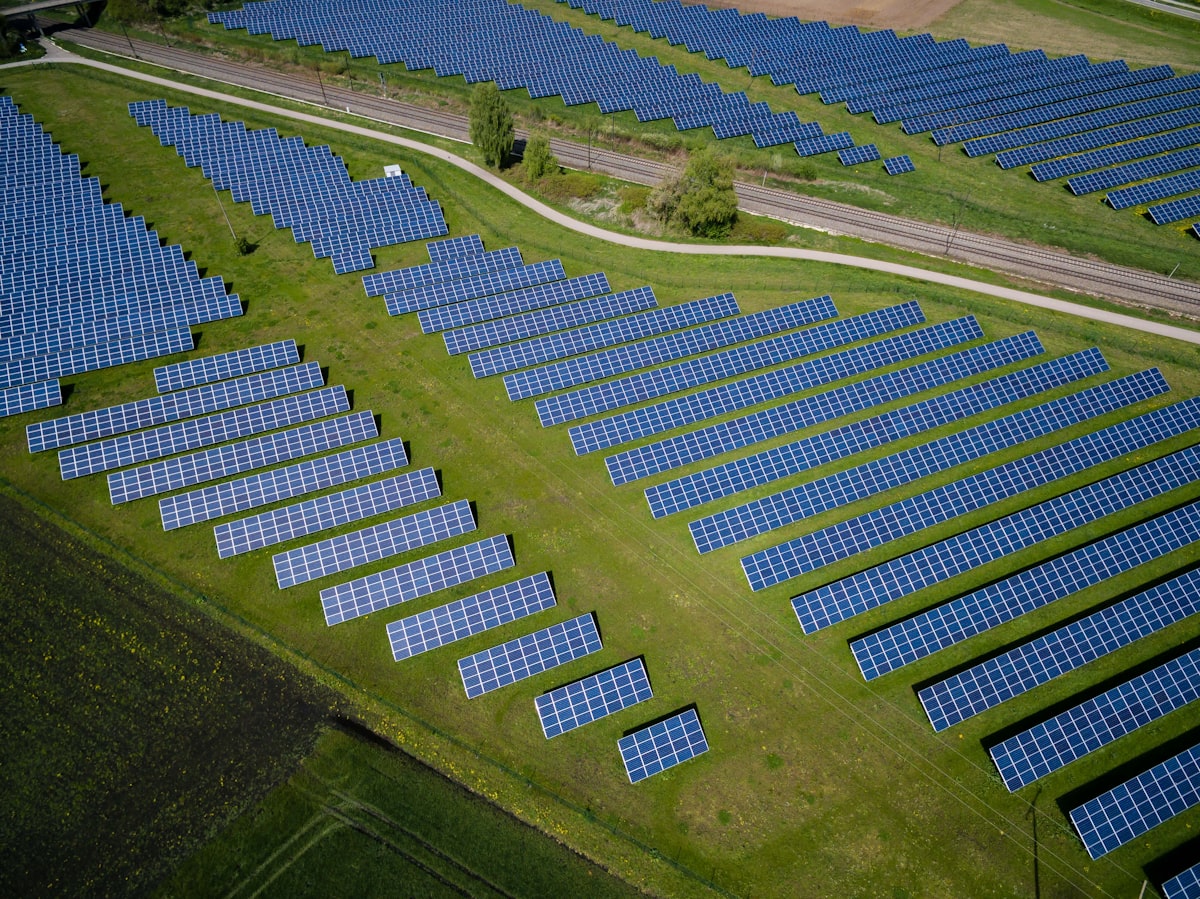
Photovoltaic solar energy
How the deployment of solar farms in the southern peninsula contributes to reducing the carbon footprint.
Green Spain Vision · 2026 Report
An educational analysis on the 2030 carbon footprint targets and the role of renewable energy in protecting the Spanish environment.
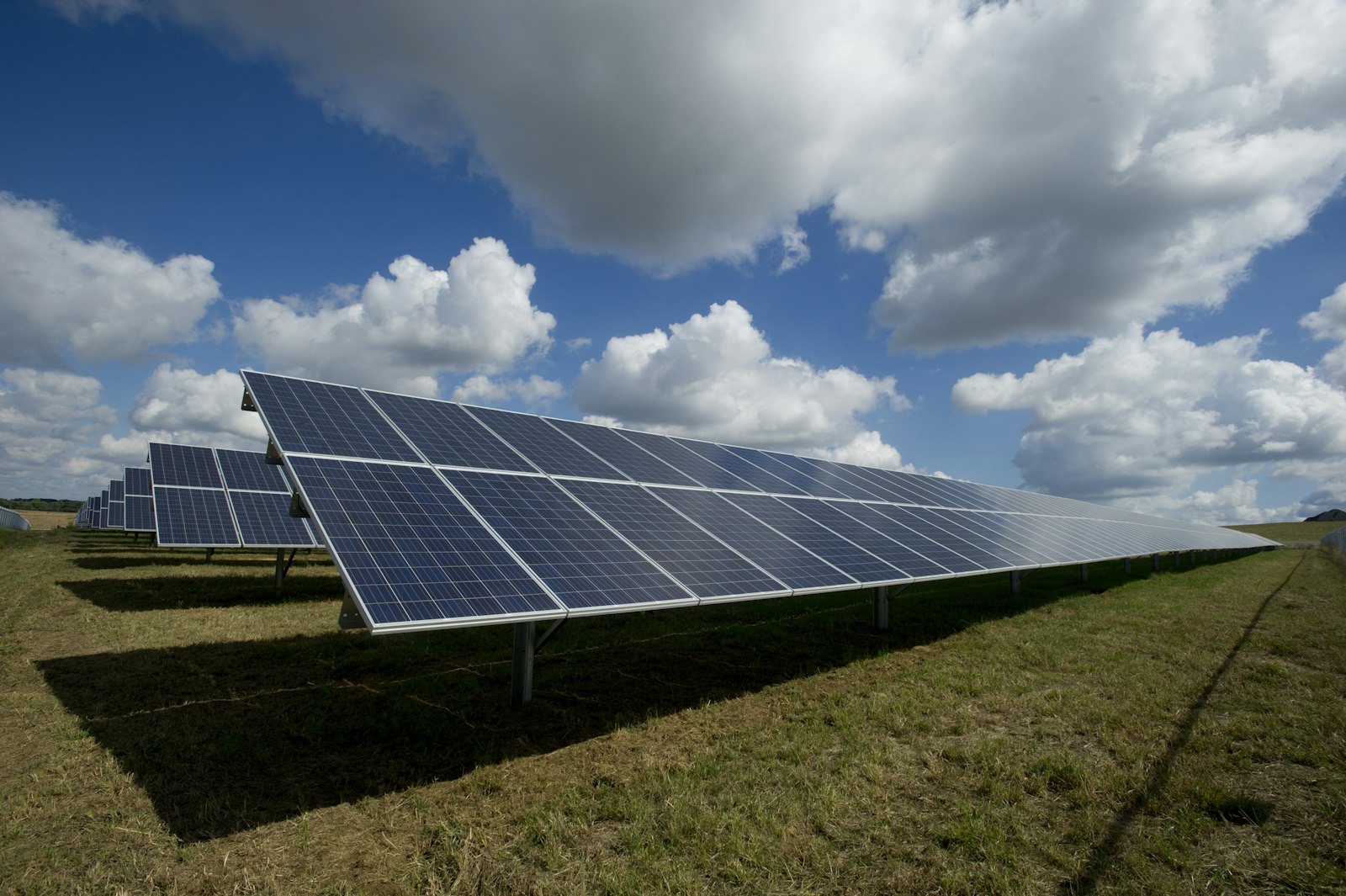
Three key axes to understand the green development of Spain.
How the deployment of solar farms in the southern peninsula contributes to reducing the carbon footprint.
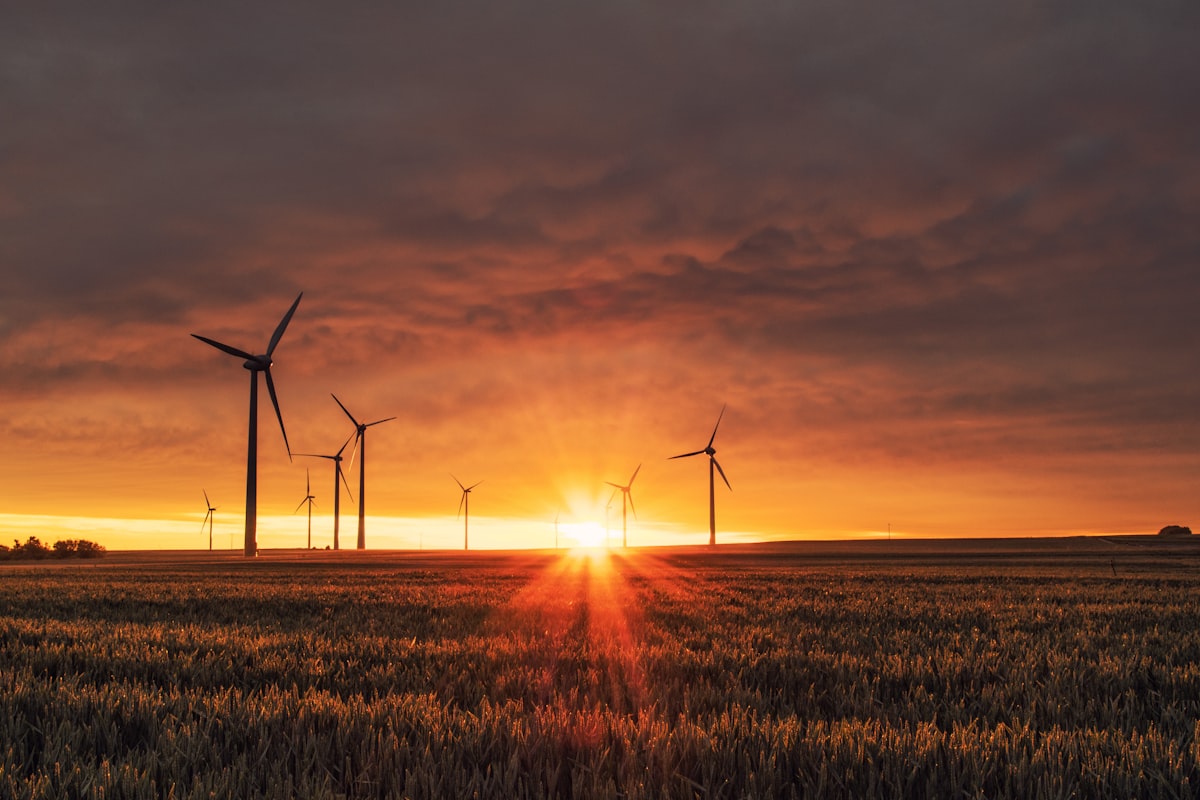
The integration of wind turbines into the rural and mountainous landscape of northern Spain.
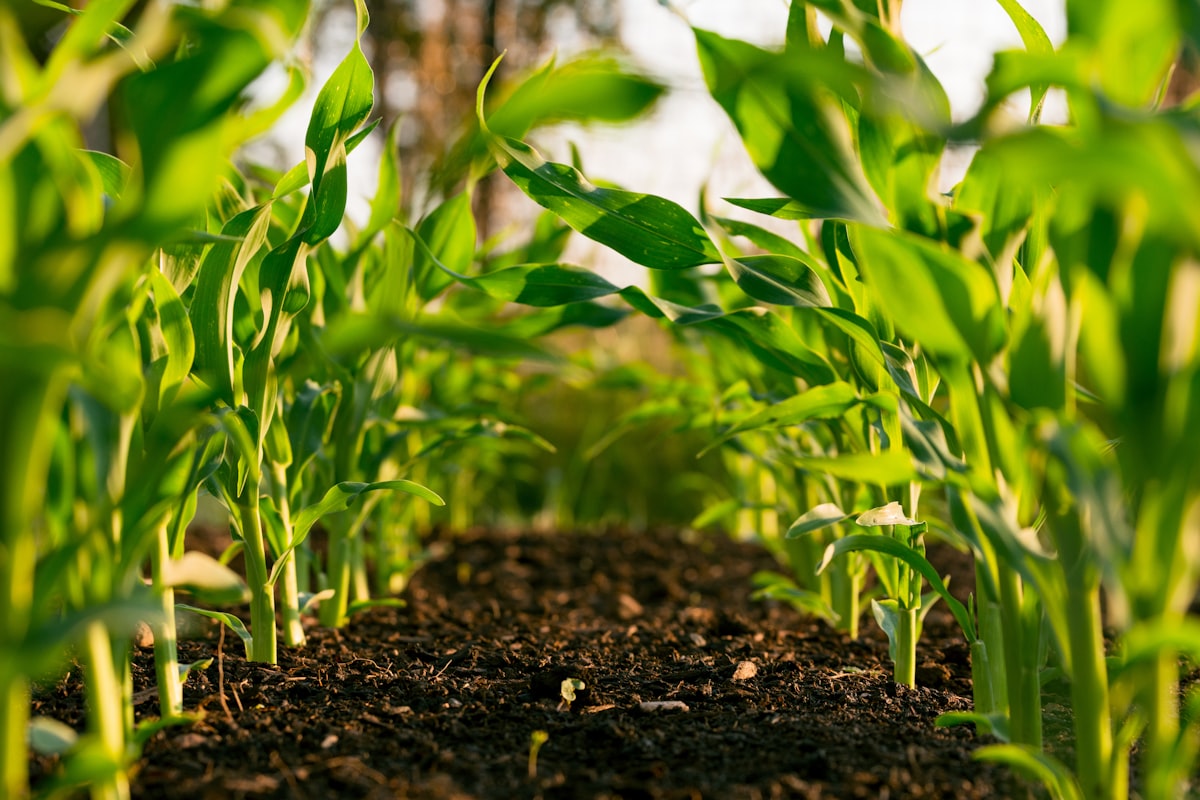
Sensors, data and regenerative practices for an agriculture that cares for soil, water and biodiversity.
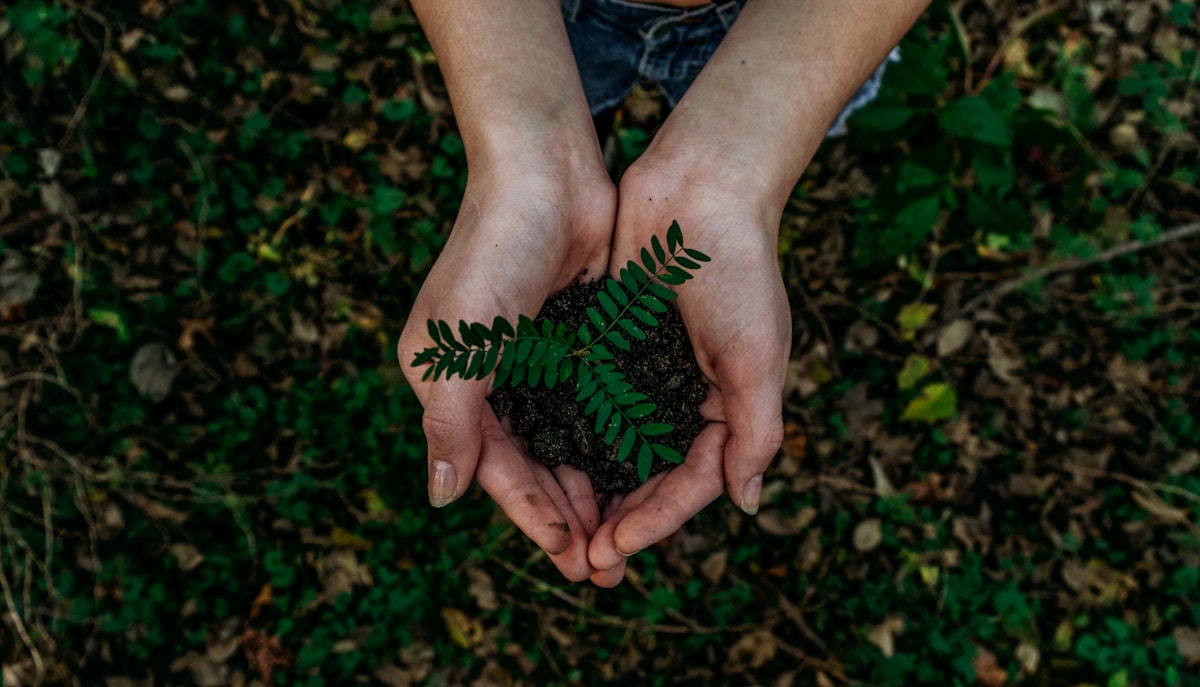
The world is changing rapidly and natural resources are being depleted at an unprecedented pace. Data published by European agencies during 2025 confirm that the average temperature in the Iberian Peninsula has steadily increased over the last three decades. This reality forces us to rethink our relationship with the land, the forests, the rivers and the agricultural soils.
Spain, thanks to its privileged geographical location, receives more than 2,500 hours of sunshine each year across most of its territory. This natural condition has become a decisive lever for the development of a cleaner energy model. Protecting the environment is no longer just an aspiration: it is an ethical and scientific obligation set out in the National Integrated Energy and Climate Plan with a 2030 horizon.
Renewable energy sources represent in 2026 around 56% of the national electricity mix. Wind, photovoltaic and hydropower are the three pillars on which this new scenario is being built. Spanish energy companies are working together with the public administration to accelerate the deployment of self-consumption facilities, local energy communities and smart grids.
The national goal is clear: to cut CO₂ emissions by 32% compared to 1990 and to reach 81% renewable electricity generation in the system before 2030. Andalusia, Castilla-La Mancha and Aragón concentrate most of the new solar farms, while Galicia, Castilla y León and Navarra maintain their wind leadership. This balanced development relies on vocational training, scientific research and public outreach.
Agriculture 5.0 combines connected sensors, open data, Copernicus satellites and regenerative practices to produce food while respecting the soil and the water. In Murcia, Extremadura or La Rioja, thousands of family farms already use precision irrigation systems that reduce water consumption by up to 40%.
The future of Spanish agriculture goes through protecting biodiversity, preserving the rural landscape and ensuring food sovereignty. Protecting the territory also means protecting the culture, the people and the legacy we will leave to our children. Environmental education, the critical reading of public reports and the dialogue between generations are essential tools to sustain this change.
This report is part of a series of educational publications produced by the Caplenestro editorial team with a single purpose: to accompany readers in their understanding of the ecological change our country is going through.
Eco Newsletter · Weekly
Subscribe to the weekly Eco newsletter and receive an educational summary on renewable energy, environmental protection and Agriculture 5.0 in Spain.
Your privacy matters
We use first and third-party cookies for analytical purposes and to improve your reading experience. You can accept all cookies, reject them or adjust your preferences at any time. Learn more